


Service overview :
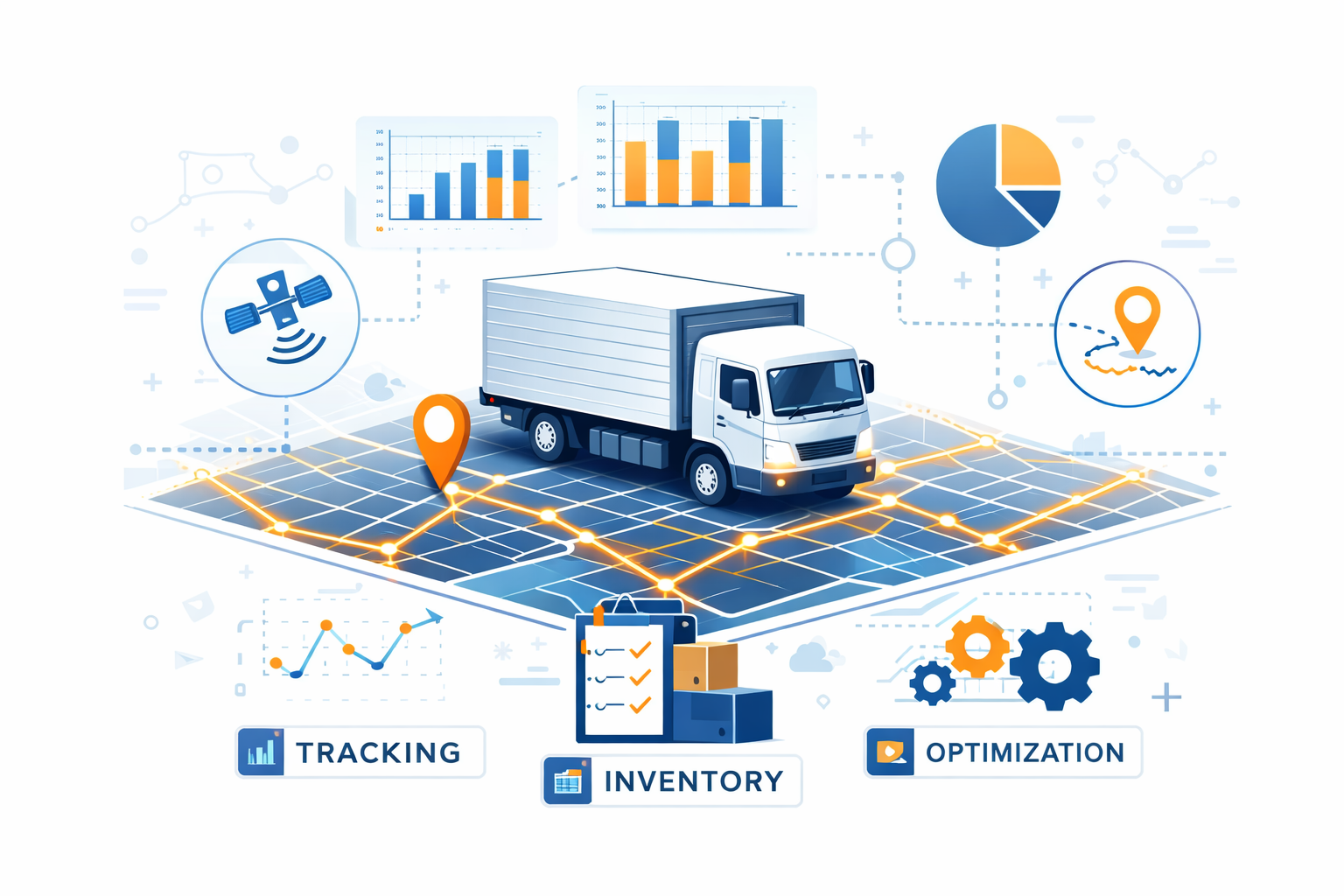
Data monitoring is revolutionizing logistics with smarter tracking, faster deliveries, and better decision-making.
Hire a developer for your project Now.
How Data Monitoring is Transforming the Logistics Industry
The logistics industry is undergoing a massive transformation—and at the center of it is data monitoring. From real-time shipment tracking to predictive analytics, companies are using data to gain visibility, reduce costs, and deliver faster than ever before.
What is Data Monitoring in Logistics?
-
Data monitoring in logistics refers to the continuous tracking and analysis of operations across the supply chain. It involves collecting real-time data from multiple sources such as:
- Shipments in transit
- Warehouse inventory
- Delivery performance
- Customer interactions
- The goal is simple: turn real-time data into smarter decisions.
Key Ways Data Monitoring is Transforming Logistics
1. Real-Time Visibility Across the Supply Chain
-
Track shipments at every stage
-
Monitor delays instantly
-
Provide live updates to customers
- Builds transparency and trust
2. Smarter Route Optimization
-
Analyze traffic patterns
-
Identify fastest delivery routes
-
Reduce fuel consumption
- Faster deliveries + lower costs
3. Improved Inventory Management
-
Monitor stock levels in real time
-
Predict demand fluctuations
-
Avoid overstocking or stockouts
- Efficient warehouse operations
4. Reduction in RTO (Return to Origin)
-
Analyze failed delivery reasons
-
Track customer availability patterns
-
Optimize delivery attempts
- Higher delivery success rate
5. Enhanced Customer Experience
-
Real-time order tracking
-
Accurate delivery timelines
-
Proactive communication
- Happier and more loyal customers
6. Predictive Decision-Making
-
Forecast demand trends
-
Anticipate delays or disruptions
-
Plan resources efficiently
- Stay ahead of problems
Technologies Driving This Transformation
- Data monitoring is powered by advanced technologies:
- Artificial Intelligence (AI) → Smart predictions & automation
- Internet of Things (IoT) → Real-time tracking via sensors
- Cloud Computing → Centralized data access
- Big Data Analytics → Pattern recognition
- Automation Tools → Reduced manual effort
Real Business Impact
- Companies using data monitoring are seeing:
- Faster delivery times
- Reduced operational costs
- Lower RTO rates
- Better decision-making
- Improved scalability
Future of Data Monitoring in Logistics
- The future will be even more data-driven:
- AI-powered logistics automation
- Autonomous delivery vehicles
- Advanced real-time dashboards
- Predictive and prescriptive analytics
- Logistics will become faster, smarter, and more efficient.
Final Thoughts
- Data monitoring is no longer just a support function—it’s a core driver of logistics success.
- Businesses that embrace it can:
- Gain complete visibility
- Make faster decisions
- Deliver exceptional customer experiences.
-
Call us 7665544470
-
Email us [email protected]
Recent Search